

Quality Standards
Our Commitment to Quality and Transparency
At Nusa Stamina, we believe the quality of a supplement is just as important as the ingredients themselves. The wellness industry is vast, and not all products meet the high standards men deserve. We have established rigorous quality protocols to ensure every recommendation we make is safe, effective, and pure — and we share our sourcing and testing standards with you openly.
Eight protocols. One standard. Every recommendation we publish passes through this framework before it reaches you.
01 — Sourcing
Sourcing Premium Raw Materials
Every supplement starts in the soil. We prioritize products that source their botanical ingredients from regions known for their purity and nutrient density. This includes sourcing local Indonesian herbs from sustainable farms that avoid harsh pesticides.
The quality of the raw material directly dictates the efficacy of the final extract. A ginger rhizome grown in mineral-rich volcanic soil without synthetic inputs will carry a different phytochemical profile than a mass-cultivated equivalent. We look for brands that can trace their ingredients back to the farm, the harvest season, and the soil conditions — not just a generic country of origin printed on a label.

Volcanic soil cultivation, West Java highlands
Independent purity verification
02 — Verification
Third-Party Laboratory Testing
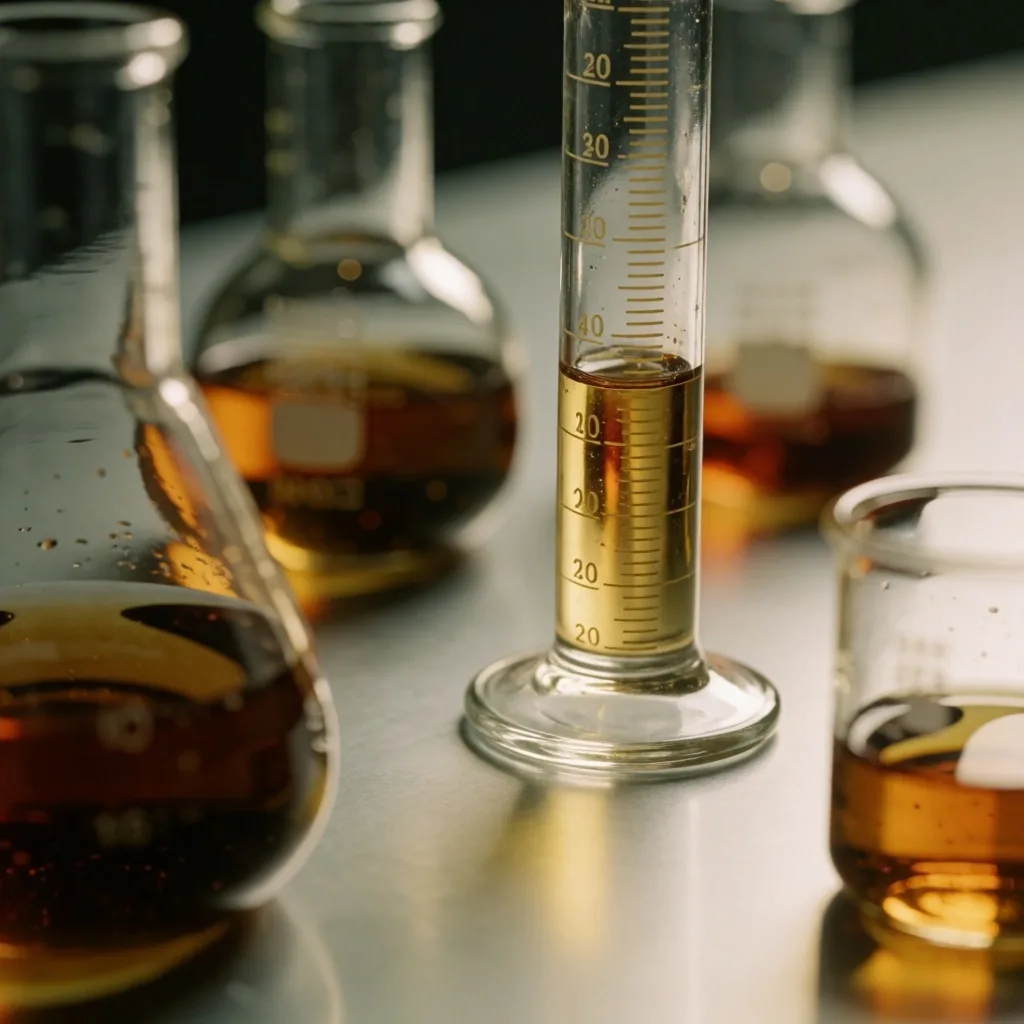
Trust but verify. We advocate for supplements that undergo independent, third-party testing for purity and potency. This testing ensures that what is on the label is actually in the bottle, and that the product is free from contaminants like heavy metals or mold.
When you shop for a supplement, look for a Certificate of Analysis — often called a COA — from an accredited independent lab. A legitimate COA will list the tested ingredient concentrations alongside detection limits for contaminants. If a brand cannot or will not provide a COA on request, that absence is itself information.
03 — Production
Manufacturing Excellence
The environment in which a supplement is produced matters. We look for products manufactured in facilities that follow Good Manufacturing Practices, commonly referred to as GMP. These standards ensure consistency and prevent cross-contamination during the production process.
GMP compliance covers everything from equipment sanitation and air quality to batch record-keeping and staff training. A professional manufacturing environment is a hallmark of a premium wellness brand, and we treat it as a baseline requirement — not a differentiator.

04 — Clean Labels
Avoiding Harmful Additives
Many mass-market vitamins are filled with unnecessary binders, artificial colors, and synthetic fillers. Our quality standards strictly forbid the recommendation of products containing these substances. A natural supplement should be as close to nature as possible.
We review the "other ingredients" section of every label — the fine print that lists excipients, flow agents, and capsule materials. Common additives like titanium dioxide, artificial dyes, and hydrogenated oils serve manufacturing convenience, not your wellness. Clean labels are a non-negotiable requirement for our curated selection.
05 — Sustainability
Ethical and Sustainable Harvesting
Wellness for the individual should not harm the planet. We support brands that engage in ethical harvesting practices, ensuring that wild-crafted herbs are not over-collected. This preserves the biodiversity of Indonesia and other regions for future generations.
When a botanical is wild-harvested rather than cultivated, responsible brands rotate collection zones, limit harvest volume relative to standing stock, and partner with local communities who depend on these ecosystems. Sustainable practices are a key part of our ethical framework.
06 — Absorption
Bioavailability and Absorption
A supplement is of little use if your body cannot absorb it. We focus on ingredient forms that have high bioavailability, meaning they are easily processed by the digestive system. This includes using chelated minerals and standardized herbal extracts.
A standardized extract guarantees a consistent concentration of the active compound in every batch — for example, a ginger extract standardized to a known percentage of gingerols. Chelated minerals, where the mineral is bound to an amino acid, tend to be gentler on the digestive tract and better absorbed than cheaper oxide forms. We prioritize science-backed delivery methods that ensure you get the most out of every dose.
07 — Labeling
Transparency in Labeling
We demand that brands be completely transparent about their ingredient sources and concentrations. Proprietary blends that hide the specific amounts of each ingredient are discouraged. You have a right to know exactly what you are putting into your body.
A proprietary blend listed on a supplement facts panel groups multiple ingredients under a single total weight, without disclosing the individual amount of each. This makes it impossible to compare two products or to know whether an active ingredient is present at a meaningful dose. Our guides help you navigate complex labels to find the truth — and to recognize when a brand is using a blend to obscure a thin formula.
08 — Evolution
Constant Improvement and Research
The field of nutritional science is always moving forward. We continuously review our standards and recommendations based on the latest reputable research. If new information emerges about an ingredient or a sourcing method, we update our protocols accordingly.
Our commitment to your wellness is a dynamic and ongoing process. A formulation we endorsed last year may be replaced by a better-validated alternative this year. When we revise a recommendation, we explain what changed and why — so you can make an informed decision rather than simply trusting a static ranking.

Practical Checklist
What to Check Before You Buy
Use this checklist alongside any supplement you are considering. These are the same criteria we apply before a product enters our recommendations.
Look For
- +Standardized herbal extracts with stated active compound percentages
- +Chelated mineral forms (bisglycinate, glycinate, citrate) over oxide forms
- +GMP-certified manufacturing facility disclosure
- +Certificate of Analysis available on request or published online
- +Individual ingredient amounts listed — not hidden in a proprietary blend
- +Named sourcing regions or farm-level traceability
Avoid
- —Proprietary blends that list only a total weight
- —Titanium dioxide, artificial dyes, and hydrogenated oils in "other ingredients"
- —Brands that refuse or ignore COA requests
- —Vague "natural flavor" without further specification
- —Mineral oxide forms in high-dose single-ingredient products
- —Wild-harvested ingredients without collection-zone rotation disclosure
Quality FAQ
Questions About Our Standards
If something here is not clear, our team can walk you through the details.
How do you verify that a brand actually follows GMP? +
We look for brands that publicly reference their manufacturing facility's GMP registration number or certification body. We do not take marketing language at face value — we cross-check the claim against the certifying organization's database when one is available. If a brand states GMP compliance but cannot point to a verifiable registration, we note that gap in our review.
What is a Certificate of Analysis and where do I find one? +
A Certificate of Analysis, or COA, is a document produced by an independent testing laboratory that reports what a specific batch of a supplement contains. It lists the measured concentration of active ingredients and the results of contaminant screening. Some brands publish COAs on their product pages; others provide them on request by email. If a brand refuses to supply a COA for a product you are considering, that is a reason to look elsewhere.
Why are proprietary blends a concern? +
A proprietary blend lists multiple ingredients under one combined weight without showing how much of each ingredient is present. This means a product could highlight a premium botanical on the front label while including only a token amount of it inside the blend. Without individual amounts, you cannot compare products, assess whether an ingredient is present at a meaningful dose, or identify potential interactions. We discourage proprietary blends and prefer fully disclosed supplement facts panels.
Do you ever change a recommendation after publishing it? +
Yes. When new research, sourcing information, or manufacturing changes come to light, we re-evaluate affected recommendations. If we remove or replace a product in our guides, we explain what changed — whether it was a formula reformulation, a sourcing shift, or new evidence about an ingredient. Our standards are living protocols, not a static ranking.
Review the Full Protocol or Talk to Our Team
Our quality framework is open by design. Browse the complete standards document, check answers to common questions, or reach out directly — we welcome scrutiny.